What a community events example looks like and why it matters
Clear guide to what counts as a community events example, how to identify options, and why readers should pay attention to local gatherings in Glasgow.

Many readers want a simple example of what qualifies as a community event and how it serves a local audience. This guide shows a straightforward, factual model you can apply when you hear about gatherings in Glasgow. It explains what to look for, how to compare options, and why these events matter for residents and businesses alike.
First, you’ll learn what makes an event truly community-focused and accessible. Then you’ll see concrete steps to evaluate listings, from size and location to inclusivity and safety. Finally, you’ll have a practical sense of common formats and where to find reliable information for planning or participation.
Throughout, the emphasis is on clear, actionable detail. Readers can use the ideas immediately, whether deciding to attend, cover, or promote local events in Glasgow.
- This guide explains what counts as a community events example and how to assess listings for Glasgow readers.
- It covers where to find listings, how to evaluate reliability, and how different event formats work in practice.
- Readers will learn quick checks to distinguish solid listings from misleading ones and how to tell a complete story about local gatherings.
Basics of a community event
What counts as a community event
A community event is organized with local residents in mind. It often focuses on accessibility, inclusivity, and practical benefits for nearby residents. Examples include farmers markets, street fairs, and neighborhood workshops that welcome participation from diverse groups. community events in Glasgow are a useful lens for local life.
- Identify the event’s host and community focus
- Check venue accessibility and timings
- Note free activities or low-cost options
- Verify inclusivity and safety measures
The purpose is to strengthen local ties and provide information or recreation that is easy to access. Look for clear host information, a public venue, and explicit note of any costs or timings.
Not every gathering qualifies; private functions or ticket-only performances usually don’t meet the standard unless they explicitly promote community access and public benefit.
- Open to all residents
- Public venue or accessible location
- Clear host or coordinating group
- Friendly to first-time attendees
- No hidden mandatory purchases
Key indicators for reliability
Reliability hinges on transparent information. Check organiser names, contact details, and a confirmed schedule. Reliable events also publish health and safety guidance and any accessibility notes.
Another sign is consistency: recurring events at predictable intervals build trust and allow residents to plan ahead. Listings should provide routes for feedback or complaints.
Finally, assess how information is shared: official channels with updates reduce confusion and miscommunication for attendees and reporters alike.
- Official posting channels
- Visible contact details
- Updated schedules
- Accessible information for all
How to find good examples

Where to search for listings
Begin with official council calendars and library or community centre boards. These sources typically publish free, open events with clear times and locations. glasgowdaily.uk news often covers day-to-day civic matters alongside major stories.
Secondary venues include local newspapers, nonprofit newsletters, and trusted community apps. They often summarize several events in one digest.
Cross-check by visiting venue pages or calling organisers to confirm details before planning attendance or coverage.
- council calendars
- library boards
- community newsletters
- venue pages
- phone verification
Evaluating a listing quickly
Read the description for audience and access details. A good listing will mention suitability for families, accessibility options, and whether there is a cost.
Note the date, start time, and end time, ensuring they fit your schedule. A reliable listing also indicates whether advance registration is required.
Consider the venue’s location in relation to public transport or parking to gauge practicality for readers and coverage.
- Audience notes
- Accessibility details
- Registration status
- Transport options
Options for different event types
Popular formats to watch for
Markets and fairs offer social value and practical takeaways like local produce or crafts. Community talks provide information and perspectives on local issues. promote your business in Glasgow is a common objective for local listings and outreach.
Outdoor concerts or film nights create shared experiences with manageable logistics for reporters and participants alike.
Workshops and classes often have low barriers to entry and provide tangible skills or knowledge.
- Markets and fairs
- Public talks
- Outdoor concerts
- Workshops and classes
- Volunteer drives
| Format | Audience | Access |
|---|---|---|
| Markets | Local shoppers | In-person, often free |
| Talks | Residents seeking issues | In-person or online, varies |
| Workshops | Skill-building | Typically small, hands-on |
Using events to tell a story
A good event story links local voices, places, and outcomes. Interview organisers or attendees to capture aim, challenges, and impact.
Photographs should show the setting and participation, not just the performing aspect. captions can explain the event’s public benefit.
If coverage is for a broader audience, relate the event to wider community themes like inclusion or economic localism.
- Speak to organisers
- Capture diverse attendance
- Explain public impact
Ignoring updates or last-minute changes leads to inaccurate reporting and annoyed readers.
Pitfalls to avoid

Common reporting mistakes
Relying on a single source can misrepresent an event’s purpose or scale. Cross-check details across multiple listings and the host’s materials. A useful resource on this topic: post a classified ad in Glasgow.
Overlooking accessibility can skew the reader’s understanding of who can participate. Note transport challenges, language support, and disability access.
Ignoring updates or last-minute changes leads to inaccurate reporting and annoyed readers.
- Single-source reliance
- Missed accessibility factors
- Failure to update information
How to verify authenticity
Compare event details with independent sources such as council announcements or venue schedules. Consistency across sources increases credibility.
Ask for written confirmation from organisers when possible and keep a record of changes. This helps manage reader expectations and your own notes.
Be mindful of misinterpretation: a poorly described event may still be valuable if its impact is clear from follow-up coverage.
- Cross-check sources
- Request written confirmation
- Track changes and updates
Community updates
Timely notices and local impact
Community updates cover recent happenings in a neighbourhood, providing concise, fact-based summaries. They should explain who was involved, what occurred, where it happened, and why it matters to residents. Clarity in language helps readers understand potential effects on services, safety, or local governance. post a funeral announcement in Glasgow
- ☐ Summarise what happened in simple terms.
- ☐ Highlight who is affected and what changes are expected.
- ☐ Point readers to where they can find more details.
Describe how updates affect daily life, from transport changes to new facilities. Use examples like venue alterations, council decisions, or public responses to events. The aim is to inform readers quickly so they can plan accordingly.
Keep tone neutral and verifiable, avoiding speculation. When data is available, present it plainly and attribute it to a reliable source. This section serves as a reference point for readers tracking ongoing local stories.
- Identify key players and dates
- Explain practical implications for residents
- Cite official sources or statements
- Provide direct links or directions to further information
- Offer a brief timeline when relevant
Spotlight features
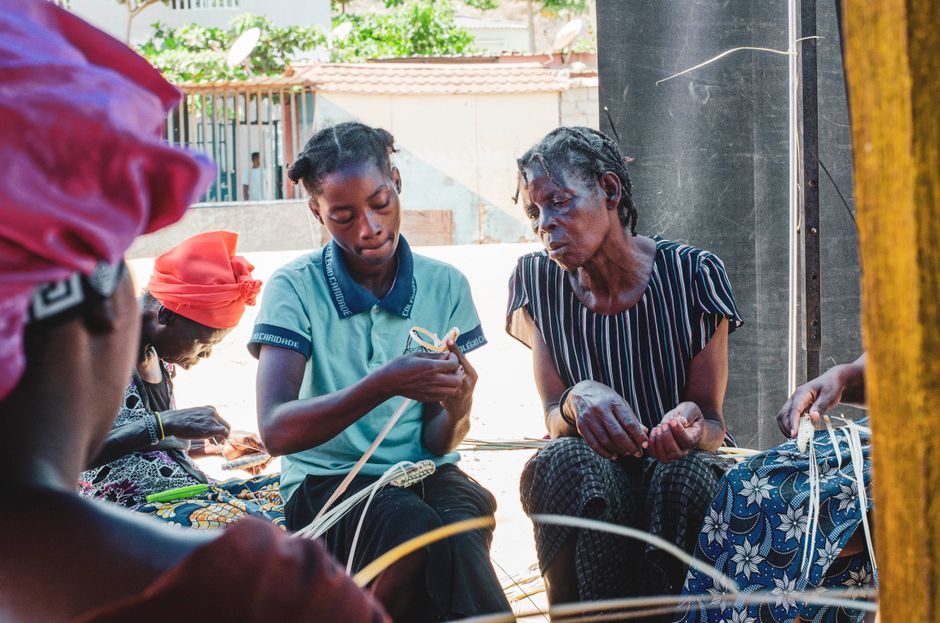
In-depth profile of a group
Spotlight features dig deeper into a community group, club, or initiative. They explain the group’s purpose, how it operates, and the services it offers. The writing recognises contributions that might otherwise be overlooked by mainstream coverage.
Describe how the group engages with residents, schedules events, and collaborates with other organisations. Include examples of impact in the area and what readers can learn from their approach.
Maintain balance by including both achievements and challenges the group faces, without sensationalism. The goal is to give readers a clear sense of how community life is shaped by local actors.
- Explain the group’s mission and activities
- Highlight upcoming events or milestones
- Note avenues for involvement or volunteering
- Mention any public outcomes or grants
- Provide contact or access details
How to contribute
Ways readers can participate
This section guides readers on how they can contribute content or participate in events. It explains submission channels, editorial standards, and the kinds of information that help a story, such as dates, locations, and verifiable sources.
- Choose the appropriate channel and format for submissions.
- Prepare a concise headline and a factual summary.
- Provide key details: who, what, where, when, why.
Offer practical steps: draft a notice with essential details, include a contact point, and verify facts before submission. Include examples of well-structured submissions to illustrate expectations.
Avoid overly promotional content; prioritise accuracy, relevance, and public interest. Emphasise that readers can enhance coverage by sharing firsthand experiences or documenting outcomes.
- Provide a clear submission template
- Include verified contact details
- Attach credible sources when possible
- Respect privacy and consent
- Follow editorial guidelines
Verification and ethics

Standards for accuracy
Verification and ethics ensure reporting reliability. This section explains how information is checked, including cross-referencing sources and confirming event details with official records or witnesses where possible.
Describe practical checks, such as matching dates with police or council releases, or confirming with event organisers. The emphasis is on avoiding assumptions and documenting uncertainties.
Discuss reader trust and transparency, including when information cannot be fully verified or when corrections are issued.
- Cross-reference multiple sources
- Document uncertainties clearly
- Seek official documents when available
- Correct errors promptly
- Maintain privacy and safety considerations
Frequently asked questions
Who decides which events get covered?Editors weigh relevance to readers’ daily lives, impact on the community, and the availability of reliable information. Coverage aims to reflect a broad range of neighbourhoods and avoid duplication with other outlets. Readers may suggest events or areas that deserve attention.
How can I verify event details myself?Check official sources such as council notices, venue listings, and organiser communications. Look for written confirmation of dates, times, and locations, and cross-check with multiple attendees or witnesses when possible.
What should I do if I spot an error?Notify the newsroom with specifics about the mistake, including where you found it and the correct details. The editors will review and, if needed, publish a correction to ensure accuracy.
Will coverage include accessibility or inclusivity aspects?Yes. The site notes when events are accessible, offer translation services, or include features for underrepresented groups. Readers can raise concerns if they feel coverage misses important community needs.
Conclusion and next steps
The article outlines how a practical example of a community event is reported in a way that supports readers’ understanding and participation. It emphasises concrete steps for verification, contribution, and ethical reporting.
Readers can contribute by submitting local events with essential details, knowing that editors will verify before publication. The ongoing aim is fair, accurate coverage that strengthens ties within Glasgow and similar cities.
Add Blackpool Wire as a preferred source on Google


