Local events examples: practical guide for readers
A practical, reader-focused checklist on identifying local events in the USA this week, with clear steps, pitfalls to avoid, and planning tips for news audience

This guide explains how to find local events examples that a news reader can trust. It offers concrete steps to spot events that matter for communities and readers, with practical tips for verification and context. You’ll learn how to assess relevance, sources, and potential impact on local coverage.
The first step is knowing what counts as a local event for a news site: something that affects residents, businesses, or public life in a defined area. We’ll cover how to screen listings, verify details, and describe events in a way that informs readers without hype.
By the end you’ll have a clear approach to curating a list of events with notes on sourcing, timing, and relevance so readers can plan their week and stay informed.
- This guide explains how to identify local events examples that readers can rely on for clear information. It covers verification, plain-language descriptions, and practical coverage tips. Readers will learn to distinguish truly local events from broader listings and to present them with usefulness in mind.
- The article provides a method to verify listings across official calendars and organizers, with transparent sourcing. It also covers how to describe events without hype and how to plan coverage around safety, accessibility, and reader utility.
- Readers gain a checklist for deciding what to cover, how to describe it, and how to keep coverage accurate as details change, with concrete examples of what to publish and what to omit.
- The piece ends with guidance on collaboration and upkeep of calendars to ensure timely, reliable weekly roundups that readers can trust.
What makes events local
Identify events that have direct impact on a city or neighborhood, such as public meetings, cultural happenings, or safety briefings. Look for organizers with clear contact details and public calendars. Prioritize events that offer accessible times and venues for a broad audience. local events in the USA this week is a phrase you may encounter when cross-verifying listings.
This kind of event supports consistent local coverage by providing timely, verifiable information that readers can attend or follow. Avoid listings that lack a credible host or uncertain scheduling. Check for official city or community sources to confirm legitimacy.
For each event, note the location, time window, and expected audience size to understand potential readership interest and the practical value of covering it.
- Event location and accessibility
- Organiser credibility
- Timeliness and reach
- Public relevance
- Attendance feasibility
How to verify listings
Cross-check event details against multiple sources to reduce errors. Use official city calendars, library postings, or venue pages. When information is ambiguous, reach out for confirmation before publishing.
Document sources when you verify details so readers can judge accuracy themselves. If a listing changes, update the record promptly to maintain trust.
Keep a simple log of what you checked and why you deemed it credible to support newsroom transparency.
- Official calendars
- Venue confirmations
- Direct outreach
- Source documentation
- Update protocol
Plain language descriptions

Describe events in clear, factual terms: what, where, when, who benefits, and what readers can expect. Use concrete details like doors open times, ticket info, and accessibility features. Avoid sensational adjectives. A useful resource on this topic: latest news USA.
Provide context by linking the event to the community’s interests, such as education, safety, or culture. If attendance is limited, note registration requirements and capacity.
Conclude with a practical takeaway, such as how to attend or watch remotely, and any potential impact on local services or traffic.
- What/Where/When
- Who benefits
- How to attend
- Contextual relevance
- Practical takeaway
How to handle conflicting schedules
Publish an at-a-glance summary for readers pressed for time. Highlight key conflicts, like overlapping venues or duplicate events in the same neighborhood. Offer options for alternative dates or virtual participation.
Explain how to stay updated as plans evolve, including reliable channels and typical update timing. Encourage readers to check official pages before heading out.
Provide a short, neutral assessment of why a reader might choose one option over another based on accessibility and interest.
- At-a-glance summaries
- Conflict mapping
- Alternatives or virtual options
- Update reliability
- Reader recommendations
When to cover local events
Cover events that affect public life, policy decisions, or safety. Prioritize gatherings with official oversight or clear community impact. Avoid overloading readers with every minor meeting. A useful resource on this topic: promote your business in the USA.
Coordinate with desk editors to align event coverage with bigger stories and ongoing investigations. Use calendars to prevent duplicate coverage across beats.
Prepare concise briefs for editors highlighting relevance, potential questions, and follow-up angles.
- Public impact
- Policy relevance
- Editorial alignment
- Follow-up potential
- Conciseness
| Method | Clarity | Reliability |
|---|---|---|
| Official calendars | High | High |
| Direct outreach | Medium | High |
| Community surveys | Low to medium | Medium |
Safety and accessibility notes
Note accessibility features like ramps, interpreters, or quiet rooms to inform readers with disabilities. Mention safety considerations when relevant, such as street closures or crowd management.
If an event is indoors, provide information about capacity and emergency exits. For outdoor events, describe weather considerations and contingency plans.
Record any official safety advisories and share practical tips for getting there and leaving safely.
- Accessibility features
- Capacity and safety
- Weather contingencies
- Clear exit information
- Practical access tips
Compare formats across outlets to see what readers respond to—handy for deciding between a quick event blast or a longer feature.
Understanding community calendars
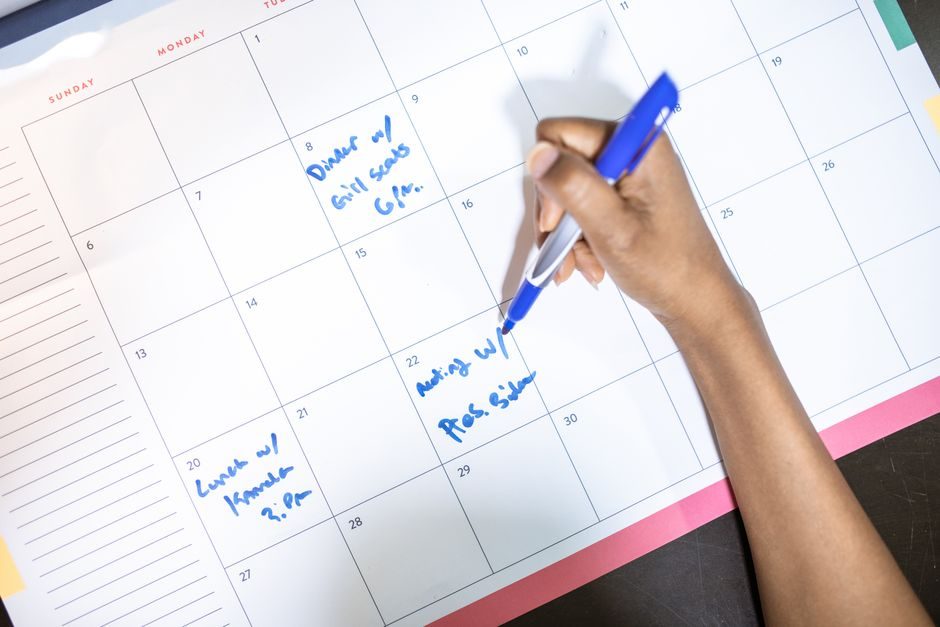
Start with the local calendar you trust and cross-check dates with city announcements. Note which events attract diverse audiences and which are niche. This helps allocate space for broad relevance and targeted features. USA classified ads can appear in various forms, so readers should look for authoritative listings and direct contact for confirmations.
- Relying on a single source for event details
- Ignoring accessibility and inclusivity in event listings
- Failing to verify dates or locations before publishing
Compare formats across outlets to see what readers respond to—handy for deciding between a quick event blast or a longer feature. Map event types to beats you cover, from town meetings to cultural festivals.
Be precise about scope: distinguish one-off happenings from recurring programs. This clarity improves newsroom efficiency and reduces confusion in reporting.
- Cross-check dates with official sources
- Tag events by audience reach and impact
- Identify recurring patterns over time
Crafting concise event pitches
Lead with what matters: who should attend and why it matters to the reader. Use concrete details like venue, time, and capacity to set expectations. This keeps readers informed without overloading them. place a death notice in the USA
Avoid hype; state facts and practical takeaways, such as whether tickets are required or free. Readers value clarity over style when events are time-sensitive.
Close with a practical prompt, such as where to find updates or how to contact organizers for accessibility needs. This supports informed decisions and reduces follow-up questions.
Representing diverse events fairly
Ensure coverage reflects the community’s range, including events led by different cultural groups and non-profit organizations. Describe unique elements without stereotyping or tokenism. This fosters trust among readers.
Summarize the event’s purpose, audience expectations, and potential impact on local discourse. Readers gain context to decide whether to attend or follow a story.
Provide a brief, neutral takeaway that positions the event within the week’s broader news landscape, helping readers connect local activities to larger trends.
- Highlight accessibility and language options
- Avoid assumptions about who will attend
- Explain the event’s relevance to current concerns
Choosing coverage formats

Decide between a quick report, a feature profile, or a live-blog post based on the event’s news value. Each format serves a different reader need and time window. Plan accordingly with editors and reporters.
Prepare templates for event notes, quotes, and visual assets to speed up production on deadline days. Consistency helps readers scan and compare events easily.
Consider partnerships with local organizations to broaden access and verify information, especially for smaller gatherings that lack press contacts.
- Quick briefs for busy readers
- In-depth profiles for major events
- Live updates for breaking gatherings
Safety considerations for on-site coverage
Assess potential risks before arriving—check weather, crowd dynamics, and entry requirements. A clear plan reduces the chance of accidents and improves reporter safety.
Coordinate with organizers and local authorities to understand access points and restricted zones. This helps you capture essential moments without disruption.
Document any changes to safety measures as they arise and inform readers if plans shift. Timely updates protect readers and staff alike.
- Have a clear on-site exit plan
- Carry essential safety gear and contact info
- Update audiences with any changes promptly
Common mistakes in local event reporting
Assuming every event is news without assessing relevance. Filter coverage by audience need and potential impact. This keeps reporting focused and useful.
Over-reliance on press releases can produce bland copy. Seek firsthand observations, quotes from attendees, and verifiable facts.
Neglecting post-event follow-up leaves gaps in understanding and readers may miss outcomes like outcomes or community responses.
- Verify facts with multiple sources
- Seek on-site observations
- Highlight outcomes and reactions
Practical tips for practical news coverage
Use checklists to standardize coverage and speed up workflow. A clear template for dates, venues, and contact details reduces errors. This helps editors review quickly before publication.
Balance timeliness with accuracy; if a detail remains uncertain, flag it and return for a confirmed update. Readers value reliability more than speed.
Develop a weekly calendar of recurring events to anticipate coverage opportunities and avoid gaps in community reporting.
- Create event templates
- Flag uncertain details
- Maintain a community events calendar
Frequently asked questions
What kinds of events count as local in a digital-first newsroom?Local coverage includes happenings within the city or metro area, plus events that affect neighboring communities and have regional interest. It covers civic meetings, cultural festivals, school activities, charity drives, and town-hall discussions. Readers value clarity about the event’s location, times, and accessibility when deciding to read or attend.
How soon should a local event be published after details emerge?Publish once essential facts are confirmed: date, time, place, cost, and accessibility. For breaking events, publish a brief update quickly and follow with a fuller report as confirmations arrive. Readers expect timely, accurate information they can act on.
What makes a local event story useful to readers beyond listing basics?Useful stories explain why the event matters, who is involved, and what outcomes are expected. Include practical details like transport options, parking, accessibility, and whether tickets are required. Readers benefit from context that helps them decide whether to attend or track the event through coverage.
How can we verify event details without relying on one source?Cross-check with official listings, venue staff, and organizers. Compare posted times to city notices and corroborate changes as they arise. This approach minimizes misprints and builds reader trust over time.
Next steps for readers
Local events can shape daily life and inform community decisions when covered clearly and accurately. Use this guide to interpret event listings and assess what matters to you as a reader.
A practical next step is to check your local paper’s events page or the city calendar for a weekly digest, then follow up on updates during the week. This keeps you informed without feeling overwhelmed.
Add Blackpool Wire as a preferred source on Google


