How to use a Spanish events calendar for Blackpool readers
A clear guide to finding, evaluating and using an agenda de eventos en España for news readers; practical steps, options and common pitfalls.

A practical guide for readers seeking reliable event listings in Spain starts with a simple question: where to find accurate, current calendars that feed credible reporting. This article outlines a straightforward approach to identifying trustworthy sources, assessing their relevance to Blackpool audiences, and using those listings to inform breaking coverage. You’ll learn concrete steps to verify dates, locations and significance before you publish or share what you find.
It explains how to compare calendars, how to handle updates during a breaking story, and how to mention sources in a transparent, newsworthy way. The goal is to give readers a clear path from discovery to usable information that strengthens reporting without overwhelming it. Plan for updates and keep track of what changes, who is involved, and why events matter to your audience.
Finally, the piece lays out practical checks and common-sense cautions so you don’t rely on a single feed. Expect guidance on cross-checking, noting official channels, and keeping track of changes as events evolve. The result is a concise, repeatable workflow readers can apply when handling event data in Spain.
- Locate trusted Spanish event calendars and verify entries against multiple sources.
- Prioritize events with broad impact and clear timelines for timely reporting.
- Document verification steps and be transparent about provisional information.
- Use embeds or summaries to make calendars accessible without clutter.
Basics: locate credible calendars
Finding trusted sources
Start with official tourism boards or city portals that publish event schedules. Check how recently the calendar is updated and whether it lists contact details for disputes or corrections. Compare at least two independent calendars to see if key events align. Be wary of user-generated lists without verification. agenda de eventos en España
- Open two official calendars to compare major events
- Record date, venue and source for each entry
- Mark any discrepancies and seek confirmation
- Publish only after alignment and verification
Consistency checks help you avoid duplications or gaps and reveal regional emphasis that matters for your beat.
- Verify update frequency
- Look for official contact points
- Cross-check major events
- Note conflicting listings
- Avoid crowd-sourced data without checks
Assessing relevance
Not every event is newsworthy for a national audience. Prioritize events with broader impact, clear timeliness, or potential repercussions for communities beyond the host city. Note the event’s scale, stakeholders and any controversies that could affect coverage. This step keeps your map focused and useful.
When the calendar reflects official calendars or major venue announcements, treat those entries as higher priority foraccuracy.
The next sub-section shows how to document sources clearly.
- Scale and impact matter
- Timeliness is essential
- Confirm official sponsorship or organizers
- Watch for competing narratives
- Document origin of information
How to verify dates and details

Cross-checking basics
Always corroborate dates, times and locations with at least one other independent source. Use official websites, ticketing platforms or venue calendars as anchors. Record the verification trail so editors can audit later. Small discrepancies often signal last-minute changes that editors must flag quickly. A useful resource on this topic: España Reporte sitio web.
This habit reduces retractions and strengthens the credibility of your reporting. When in doubt, reach out to organizers for confirmation before publishing.
The box for this section demonstrates practical steps to verify swiftly.
- Check multiple sources
- Note changes promptly
- Record verification paths
- Contact organizers when needed
Handling updates in breaking news
In fast-moving stories, event details shift as organizers adjust schedules. Maintain a live document or newsroom log where updates are posted with timestamps. Communicate clearly to readers when information is provisional versus confirmed.
If a venue or key time changes, provide a concise correction and link to the updated calendar entry. This keeps your reporting transparent and reliable.
The aim is to minimize confusion during tight deadlines.
- Maintain a live log
- Mark provisional vs confirmed
- Publish timely corrections
- Provide direct calendar links
Options for using calendars in reporting
Direct embeds and references
Some calendars offer embeddable widgets or calendar feeds. Embeds let readers verify dates themselves and cross-check with your story. If you share a link, summarize why this calendar is credible and how you verified it. A useful resource on this topic: promocionar tu empresa en España.
Use embeds sparingly to avoid clutter and ensure mobile readability. Always accompany an embedded calendar with a concise textual summary.
The point is to balance transparency with readability.
- Use credible embeds
- Provide a short verification note
- Avoid overloading pages
- Keep mobile friendly design
| Option | Pros | Cons |
|---|---|---|
| Direct embeds | Transparent, reader-friendly | Adds page clutter; can be unreliable if source changes |
| Summaries | Efficient for readers | May omit important details |
| Full calendar link | Access to comprehensive data | Requires extra navigation for readers |
When to rely on summaries
If a calendar scroll is lengthy, curate a short digest highlighting dates and venues most relevant to your update. A well-curated digest saves readers time and maintains focus on the story’s core angles. Include a note about how you selected items to feature.
Summaries should still point back to the original calendar for readers who want deeper details. This practice supports transparent sourcing and reader trust.
This approach respects reader time and editorial judgment.
- Highlight top events
- Explain selection criteria
- Link to full calendar
- Keep digest current
If a calendar lacks source citations, treat it as a starting point rather than a final authority.
Monitoring credibility of sources

Assessing publisher reliability
When evaluating calendars, start with the publisher’s track record. Look for clear contact details, editorial standards, and a history of corrections. Compare multiple calendars to see if they consistently report accurate events. A useful resource on this topic: segunda mano en España.
- A regional events calendar lists a concert at a city venue on a specific date. You verify by checking the venue’s own calendar and a local press notice the day before. The event is confirmed before publication.
- The calendar uses a generic description for some events; you cross-reference with venue listings to confirm exact start times.
Cross-check crucial dates with official venues or organizers when possible. If a calendar lacks source citations, treat it as a starting point rather than a final authority. This reduces the risk of repeating errors.
Be mindful of sponsorship or promotional content that may skew event listings. Distinguish editorial listings from paid placements to maintain objectivity in reporting. When in doubt, prioritize calendars with transparent funding disclosures.
- Check staff bios and about pages
- Look for links to original sources
- Verify with at least two independent calendars
- Note any editorial disclaimers
- Watch for obvious biases
Legal and ethical considerations
Copyright and permissions
Publishers must respect copyright when republishing or quoting event descriptions. Use brief quotes only and provide proper attribution. When in doubt, paraphrase and link back to the original listing. publicar una necrológica en España
Avoid reproducing sensitive personal data from listings. If an event involves ticketing or access details, ensure the information complies with data protection rules. Clear, non-identifying details help protect individuals’ privacy.
Consider local laws on reporting, filming, and recording at events. Decline to publish undercover or intrusive details that could harm attendees. Ethical coverage focuses on what readers need to know rather than sensationalism.
- Cite original calendars
- Limit quotes
- Obtain permissions when required
- Protect attendee privacy
- Avoid sensitive data in listings
Localization versus national relevance
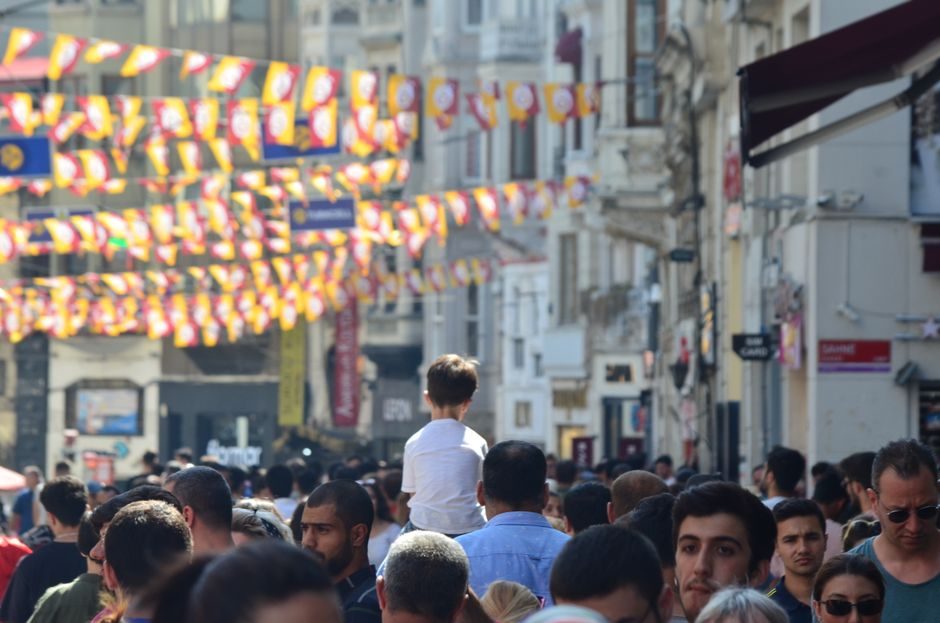
Balancing local taste with broader appeal
Local readers want events near Blackpool or in familiar regional hubs. Prioritise calendars that include nearby towns or venues within a reasonable travel distance. This makes coverage practical and useful.
National or international events can still matter if they have direct local impact, such as transport changes or festival weekends that affect travel. Tease connections to Blackpool’s audience without overloading with distant listings.
When aggregating calendars, tag items by distance and relevance, so editors can filter quickly. A clear locality signal helps watchdog readers distinguish routine listings from genuinely important news.
- Tag by distance
- Highlight local venues
- Flag transport impacts
- Provide travel tips
- Use reader feedback to adjust focus
Future-proofing event coverage
Sustainable calendar habits
Develop a routine to verify calendars weekly rather than ad hoc. A standing process reduces missing deadlines and keeps reporting consistent. This is especially important for seasonal or recurring events.
- Set a weekly cadence for checking major calendars and venue pages.
- Maintain a shared document noting frequently updated events and any changes.
Create a repository of trusted sources and a simple checklist for editors. Over time, teams build familiarity with which calendars are reliable and which are not.
Plan for evolving formats, such as live blogs or briefings from organizers. Using adaptable templates ensures you can report changes quickly as events unfold.
- Weekly source checks
- Source repository
- Editorial checklist
- Flexible reporting templates
Frequently asked questions
What makes a calendar source trustworthy?A trustworthy source has clear contact details, visible editorial standards, and a consistent history of updates or corrections. Compare multiple calendars and look for transparent disclosures about sponsorship or affiliations.
How should we handle conflicting event times?When two sources disagree, contact the venue or organizer for confirmation and note the discrepancy in the story. Publish with a precise timestamp of the check and a note about the potential change.
Can international events be reported locally?Yes, if the event affects local readers—through travel, venue availability, or transport schedules. Provide context that links the international event to Blackpool or nearby areas.
What about privacy when listing events?Avoid sharing sensitive personal data. Use public listings, official venue pages, and organizer announcements to keep coverage respectful and compliant.
Conclusion: steady, practical coverage
Effective event reporting comes from disciplined sourcing and transparent verification. The next step is to implement a weekly calendar audit so readers see timely, accurate listings, with clear notes on any uncertainties.
A clear localization strategy helps readers understand what matters for Blackpool and nearby communities, making coverage genuinely usable for planning and decisions.
Add Blackpool Wire as a preferred source on Google


