How to Find Obituaries in the UK: A Clear Guide
A practical, reader-focused guide for finding UK obituaries, with step-by-step methods, common pitfalls, and reliable sources for accurate notices.

If you’re looking for obituaries in the UK, start with what matters: clear notices published by newspapers and public records. This guide explains practical steps to locate obituaries, understand what sources offer, and avoid common errors. You’ll learn how to verify details and locate notices efficiently, without relying on noisy or unreliable sites.
First, know where notices commonly appear: national and regional newspapers, crematorium or church records, and local library databases. These sources often post obituaries online or offer access to archived pages. By prioritising official outlets, you reduce the chance of incomplete or inaccurate information.
Finally, plan your search around a few dependable methods: direct newspaper sites, library archives, and paid or free public records portals. The goal is a fast, verifiable result, not a scattergun approach. With the right approach, you’ll find the notices you need while understanding the limits of each source.
- This guide helps readers locate UK obituaries using newspapers, official records, and archive databases.
- It outlines practical steps, credible sources, and cross-checks to avoid missing notices or following false leads.
- Readers will learn how to verify details and organise their search for efficiency.
- The approach prioritises accuracy and responsible reporting over speed.
Basics of UK obituary searching
Where notices are published
Obituaries in the UK primarily appear in local and national newspapers, followed by official records kept by councils, crematoria, and churches. Start with the newspaper’s obituary or death notices section, then move to library databases that index local pages. If you know a town or region, search regional titles first for the most accurate results. obituaries in the USA, a related term families use when confirming international notices.
- Relying on a single source without cross-checking
- Assuming all notices are posted online
- Ignoring date ranges and updating notices
Common mistakes include assuming online only equals complete. Some notices appear only in print or in specific parish records. Checking multiple sources increases accuracy and reduces the risk of missing a notice.
- Check regional papers for the person’s town
- Look for digitised archives in local libraries
- Cross-check with council or crematorium notices
- Note the date range on which a notice was published
Using library and archive databases
Public libraries and archives hold searchable obituary indexes and scanned pages. Access may require a library card or an in-person visit, but many offers are online. Use advanced search filters for date range, location, and keywords to narrow results.
Archivists encourage checking different collections because notices can be stored in parish, regional, or national repositories. If a notice isn’t in one archive, another may hold a copy. Always verify with a second source when possible.
Finding obituaries through official channels

Public records and civil notices
Local councils maintain civil records that can include obituary notices or memorial records. Cemetery and crematorium records provide confirmations of burial, death dates, and service details. These sources are often reliable but may require formal requests or visits. latest news USA, for cross-border verification where a notice appears in both countries.
Official notices sometimes appear in government newsletters or public notices sections. While not as common as newspaper notices, they offer authoritative corroboration. Use them to confirm details you’ve already found in newspapers.
- Search council memorial pages
- Request crematorium records if needed
- Check parish notices where relevant
- Look for official announcements in public records portals
Relating to national outlets
Some UK national outlets carry obituary notices that span wider regions or affiliations. These can help locate relatives who moved across areas. National sites may have longer search histories and broader keyword options.
Be mindful that national pages can update quickly and sometimes reorganise content. If you can’t locate a notice, try variations of spellings or different date windows.
National notices can anchor a search when local results are sparse.
- Search national newspaper sites
- Try alternate spellings and nicknames
- Look for posthumous notices originating from family statements
- Cross-check with regional databases
Alternative methods for UK obituaries
Genealogy portals and paid databases
Genealogy portals compile obituary data from many publishers and archives. They can save time by offering consolidated search functions. Access may require a subscription, but many libraries provide free entry through their portals. publish local events in the USA, to check if a notice references a local event that helps verification.
- Open a genealogy portal
- Enter town and approximate year
- Refine with surname and keywords
- Save and compare results
When using paid databases, set precise filters for location, date, and family names. Exporting results helps with keeping track of sources and avoiding duplicate searches.
Always compare results with at least one free source to ensure accuracy and catch notices that aren’t in paywalled databases.
- Use location and date filters
- Export search results for records
- Cross-check paywalled data with free sources
| Source type | Pros | Cons |
|---|---|---|
| Newspaper notices | Widely published, contemporary details | May require subscriptions or be behind paywalls |
| Public records | Official confirmations | Access can require formal requests |
| Genealogy databases | Consolidated results | Costs and variable quality |
This sub-section explores community notice boards, parish records, and specialist obituaries for niche topics. It helps readers broaden their reach beyond mainstream outlets and capture locally published notices.
If you’re researching a specific demographic or religious group, these specialized sources can offer hidden notices that mainstream outlets miss.
Keep a log of where each notice appears to map coverage and avoid duplicating efforts.
- Check church and parish archives
- Search niche community boards
- Record where each notice is found
Some notices list relatives rather than the deceased’s name, which can mislead a search.
Pitfalls to avoid in UK obituary searches

Incomplete or incorrect details
Missing details such as middle names or dates can derail a search. Start with the full legal name if known, then test common variants. Keep a list of close spellings for cross-checking. register your company in the USA, to understand how notices may be used for corporate memorials.
- Relying on a single spelling
- Assuming regional reach equals completeness
- Neglecting date filters
Some notices list relatives rather than the deceased’s name, which can mislead a search. When in doubt, verify with a second source.
If a notice seems absent, broaden the search to nearby towns or neighbouring counties to catch regional publications.
- Verify full legal name
- Try common name variants
- Check relatives’ notices for corroboration
Timeframes and notice lifespans
Obituary records have varying lifespans depending on publisher policy and archiving practices. Some notices are retained for months, others appear briefly. Plan multiple searches across different dates and outlets.
If a notice is older, it may only exist in archive scans or microfilm. Prepare to request scans from libraries or archives.
Understanding retention helps you allocate time without chasing faded or missing notices.
- Schedule staggered searches
- Request archival copies when needed
- Note retention windows for each outlet
Engaging with obituary records: where to look next
Public records and national registers
Start with official archives that hold death notices and public records. Look for county registries or national databases that index notices across multiple regions. This reduces the chance of missing notices buried in local papers or online portals. place an advert in the USA
Many archives offer search by name, date, or location, making it easier to confirm someone’s passing and related details. For completeness, check both birth and death indexes where available to verify life events and familial connections.
Cross-check results with local newspapers or library catalogs to spot notices that aren’t fully indexed in central databases. This helps build a fuller picture when researching UK obituaries or tracing ancestry.
- Search national and local records
- Note name spellings and variants
- Record the exact dates and places
- Cross-check with multiple sources
Digital vs. physical archives: strengths and pitfalls
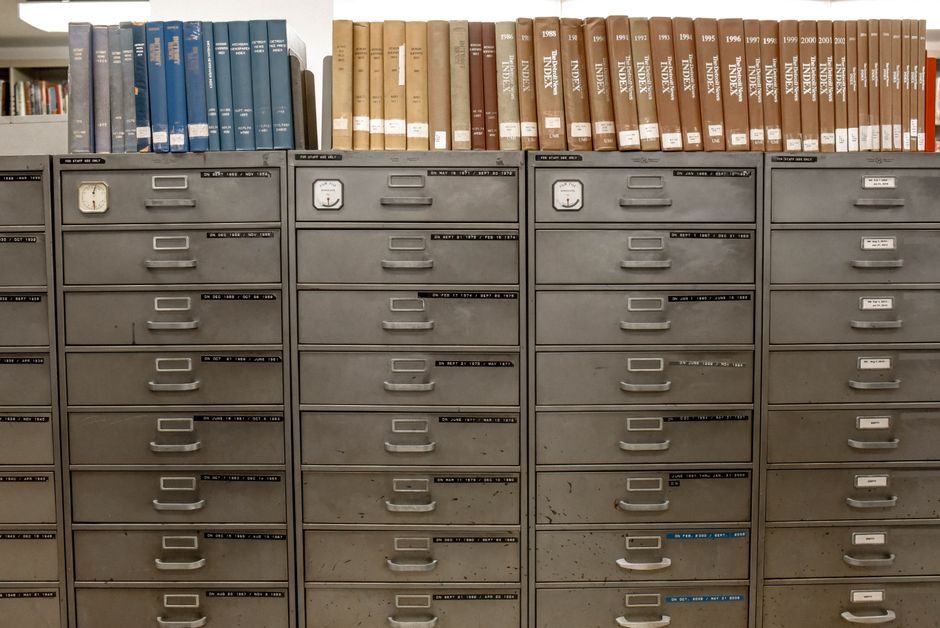
E-downloads versus paper copies
Digital archives offer quick keyword searches across large volumes of notices. They’re convenient for broad sweeps and cross-referencing. However, they may omit recent entries or regional supplements that appear only in print.
Physical archives in libraries or local newspapers retain material that hasn’t yet been digitised. Accessing microfilm or scanned pages can reveal notices released in smaller communities.
Familiarise yourself with the archive’s scope to avoid gaps. Some records cover specific years or regions, and combining formats often yields the most complete results.
- Use both formats when possible
- Be aware of regional coverage gaps
- Note access limitations and fees
- Respect access restrictions for sensitive records
Obituary notices in practice: a quick reference
Structured notice layouts and clues
Obituaries often follow typical patterns: birth details, survivors, and funeral information. Look for recurring phrases like ‘late of’ to confirm residence and legal status. These cues help verify identities when names are common.
Notes about mortality might appear as short notices in local presses or broader tributes in national papers. Collect multiple references to corroborate the information before drawing conclusions.
When in doubt, track down surviving relatives or stated addresses for cross-checks, which can clarify ambiguous cases and reduce misidentification.
- Identify common obituary sections
- Look for residence indicators
- Seek corroborating references
- Be cautious with name similarities
What readers should know about UK obituary coverage

Scope and limitations of coverage
Coverage varies by newspaper and region, with some notices appearing only in print and for a limited time. Online archives may lag behind current print runs. This matters for readers tracking recent deaths or local events.
Public notices are often paid features, which means not every individual will be listed. Consider alternative sources like cemetery records or community announcements when needed.
Editorial decisions influence the prominence of notices; larger papers may run longer obits, while smaller outlets publish brief notices. This context helps readers locate material more efficiently.
- Expect regional variation
- Not every death is listed
- Different publication practices
- Use multiple sources to fill gaps
Frequently asked questions
Can I find UK obituaries online for free?Many archives provide free search tools for basic information, but full access to scans or PDFs may require a library card or subscription. Start with widely used public databases and local newspaper sites to gauge what’s publicly available before seeking paid options.
How far back do UK obituary records go?Coverage varies, but some national indices extend back decades. Local records may begin later, depending on the archive’s scope and digitisation program. Start with the earliest year available in the archive and work forward in small batches.
What should I do if a notice is missing or unclear?Cross-check with other notices, cemetery or crematorium records, and local council notices. If information remains unclear, contact the newspaper’s archives desk or a librarian who specialises in genealogical records for guidance.
Are there privacy limitations on recent obituaries?Yes. Recent notices may have restricted access, with certain details withheld. In such cases, consult official channels or request permission where appropriate, and rely on verified public sources for confirmed information.
Further steps for thorough obituary research
Thorough obituary research combines official registries, local newspaper archives, and library resources to build a reliable timeline. Start by identifying the most likely locations and time frames, then expand to cross-checks across formats.
Develop a system to track clues, ruling out duplicates and mis-spellings. Maintain a clear record of where each detail came from to support future verification or family inquiries.
Add Blackpool Wire as a preferred source on Google


