Examples of community events that fit Basildon audiences
A clear guide to practical, timeless examples of community events, with useful angles for Basildon readers and how they work for locals and visitors.

Community events give residents a way to connect, learn and participate in local life. This guide presents practical examples that readers can recognize, plan around, or simply attend as observers. The aim is to show what makes events meaningful, how they come together, and what readers can expect in Basildon’s current calendar.
Many events are simple and repeat annually, while others arise from schools, charities or neighbourhood groups. The practical takeaway is transferable: every event has a structure, a target audience and a clear outcome. Understanding these elements helps readers choose what matters to them.
From a news perspective, community events often become local stories when they touch on education, safety, culture or volunteering. This article uses accessible examples to illustrate how such events operate and why they matter to Basildon’s diverse communities. Readers can apply the same approach to events in any town.
- This practical guide explains how to identify and evaluate common examples of community events for Basildon readers, with actionable steps for participation and reporting.
- It covers basics, involvement, coverage, and practical tips, ensuring readers can plan attendance, help organise or report on events.
- Each section includes concrete examples and a clear path to choose, sponsor or volunteer without hype or detours.
- The guide also provides a simple framework for assessing inclusivity, accessibility and local relevance to Basildon.
Basics of choosing an event
What counts as a community event
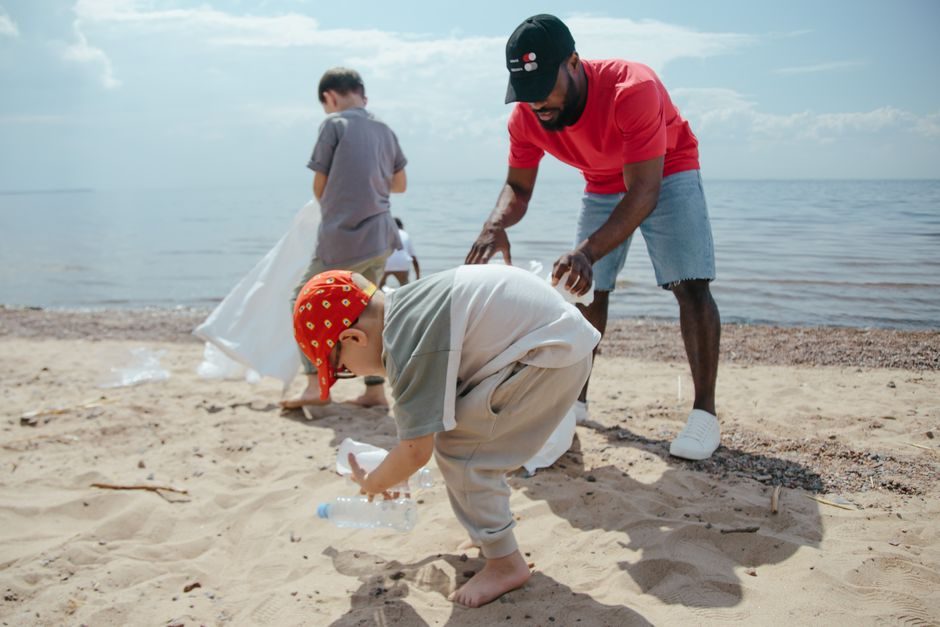
A community event is typically planned for local residents or groups and aims to foster participation or support a cause. It can be informal, like a park clean-up, or organized by a charity with a clear beneficiary. The key is relevance to the community and a defined audience. community events in Basildon
- Identify the organizer and their contact method.
- Check if the event has a defined outcome, such as a fundraiser or community project.
- Note accessibility and transport options for attendees.
- Look for prior coverage or community feedback to gauge reception.
For Basildon readers, look for events that involve local schools, faith groups or neighbourhood associations. These tend to have accessible venues, straightforward schedules and earned trust from participants.
The structure is usually simple: a venue, a time slot, a coordinator and a communication channel. This predictability helps news readers assess risks and opportunities without subscribing to marketing hype.
- Local venue, open invitation
- Clear schedule and contact
- Group-based or charity focus
- Volunteer or participation option
- Accessible timing for families
How to tell if an event is inclusive
An inclusive event welcomes diverse attendees and offers reasonable accommodations. That includes wheelchair access, clear language, and non-discriminatory practice by organizers. Local venues often already meet some standards, but organizers may provide extra support on request.
Inclusivity also means equity in participation, not just access. For instance, translation services, family-friendly activities, and affordable costs help broaden attendance.
News readers benefit from understanding these aspects when reporting on or attending events, as it clarifies who benefits and who may be excluded and why that matters to the community.
- Accessible venue features
- Clear accessibility information
- Varied activities for different ages
- Transparent cost structure
- Respectful, welcoming communication
Progress to more involved events

From meetups to volunteer drives
Small gatherings often grow into longer initiatives, such as volunteer drives or community improvement projects. They start with a simple invitation, a shared goal and a realistic plan. Clear roles help participants contribute without confusion. A useful resource on this topic: Basildon news.
- Choose a realistic first task.
- Set a date and a point person.
- Publicize who benefits and how to participate.
- Summarize outcomes after the event.
Feedback loops matter: organisers should report progress, acknowledge contributions, and adjust based on what attendees say. This keeps momentum and trust.
For readers, tracking a move from meetup to ongoing activity demonstrates how local energy translates into tangible results.
- Define a concrete goal
- Assign clear roles
- Schedule regular check-ins
- Share progress publicly
- Invite new participants
Sponsorship and partnerships
Partnerships help events scale and sustain themselves. Local businesses, schools or clubs may sponsor materials, space or promotions. These partnerships should be transparent about what each party contributes and expects in return.
Readers should note where support comes from to assess potential conflicts of interest and ensure program integrity. Clear documentation or agreed terms minimize ambiguities.
For Basildon audiences, visible partnerships can improve credibility and broaden reach while keeping events grounded in community needs.
- Document sponsor roles
- Clarify benefits to sponsors
- Maintain event controls and priorities
- Publicize partnership terms
- Monitor for conflicts of interest
How to participate effectively
Attending with purpose
Plan to attend with a specific purpose, such as gathering local stories, meeting organizers, or identifying opportunities for volunteer work. Prepare a few questions and a note-taking method to capture details quickly. A useful resource on this topic: add your business to the Basildon business directory.
- Know the time and location.
- Bring a notepad or device.
- Respect quiet zones and rules.
- Offer constructive feedback after the event.
Arrive early to observe setup, accessibility, and crowd flow. Early impressions often reveal practical strengths or gaps.
Afterward, follow up with a brief message to organizers or participants, sharing useful observations or offers to contribute.
- Set an interview target
- Prepare questions
- Note accessibility and flow
- Offer follow-up support
- Share accurate observations
| Option | Pros | Cons |
|---|---|---|
| Attend as a participant | Low commitment; supports community visibility | May limit depth of coverage or impact on outcomes |
| Volunteer for a task | Builds connections; tangible contribution | Requires time and coordination |
| Sponsor or partner an event | Increases reach; shared resources | Needs clear terms and ongoing communication |
Covering a local event responsibly
Reporters should verify basic facts such as date, time and place even when events look informal. Seek consent for photos and ensure privacy when dealing with minors or vulnerable participants.
Balance the narrative with context about the event’s purpose and its impact on the community. Highlight voices from different groups to avoid a single-perspective story.
When possible, connect the event to broader issues in Basildon, such as transport access or education, to help readers understand relevance.
- Verify essential details
- Obtain consent for imagery
- Show diverse perspectives
- Link to broader community issues
- Avoid sensational framing
For local readers, consider overlapping interests: family events, cultural activities or charity drives often align with personal schedules and give a clearer benefit to the community.
Options for participation and support

Choosing the level of involvement
Participants can engage in many ways, from simply attending to volunteering, organizing or funding. Each level requires different commitments and risks, so start with something doable that matches your time and skills. A useful resource on this topic: Basildon classified ads.
For local readers, consider overlapping interests: family events, cultural activities or charity drives often align with personal schedules and give a clearer benefit to the community.
Decide what you can realistically invest and communicate boundaries clearly to organizers.
- Attend several sessions
- Volunteer for a defined role
- Offer in-kind support
- Provide feedback and advocacy
- Promote the event locally
Funding and in-kind support
Funding is not always necessary; many events rely on in-kind support like space, equipment or staff time. Clarify what is needed and what is being offered before commitments, to avoid misaligned expectations.
For Basildon readers, explicitly state what support enables the activity to run and who benefits. Transparency builds trust and reduces confusion about resource use.
If you cannot contribute financially, consider volunteering or promoting the event to broaden its reach.
- Define needed resources
- Set realistic expectations
- Publicize how support helps
- Track and report utilization
- Acknowledge contributors publicly
Media coverage and community events
Media interest indicators
This section explains how local media cover Basildon events and what readers can expect from genuine reporting. It uses recent examples to show how press interest tends to align with community impact, accessibility, and safety considerations. Readers learn to identify reliable coverage and distinguish it from hype or rumor. obituaries in Basildon
- ☐ Identify event-related quotes or reactions from community leaders.
- ☐ Notice whether multiple outlets pick up the same event.
- ☐ Track the timeline from initial notice to follow-up reporting.
- ☐ Consider what makes the event newsworthy to Basildon residents.
Municipal announcements, venue alerts, and volunteer-led activities often appear in local bulletins. By following these cues, residents can gauge which events are likely to receive further coverage and why some stories gain more attention than others.
It also describes how to read beyond the headline, noting source credibility, corroboration, and the presence of supporting details such as dates, locations, and accessibility options. This helps readers form a clear picture of what happened and why it matters to Basildon.
- Look for named sources in the article
- Check for a date and venue details
- Note whether there is a follow-up update
- Verify any claims with a second outlet
- Observe how safety and accessibility are addressed
Using Basildon resources

Local channels and partnerships
Basildon hosts a network of community channels and partnerships that help events reach residents. The guide explains how libraries, council notices, and voluntary groups circulate information effectively. It provides practical steps to connect with these channels for reliable event details.
Readers learn to check the official council calendars, community noticeboards, and local charity bulletins for accurate schedules and contact points. The article highlights the value of cross-checking with multiple Basildon sources to confirm legitimacy and inclusivity.
The section also covers how to approach organizations directly when information is scarce, including how to phrase questions about accessibility, translation services, or safety measures. This reduces confusion and improves participation for a wider audience.
- Library events calendars
- Council announcements
- Volunteer groups
- Community centers
- Local charities
Digital tools for event discovery
Finding events online
This part shows readers how to search effectively for Basildon events, using terms that yield relevant results without overwhelming filters. It covers search phrases, social media signals, and local forums that tend to post timely notices. The aim is to build a clear, actionable list of upcoming options.
It also examines the difference between RSVPs, ticketing, and free-entry events, helping readers decide which are worth planning around. The guidance includes checking accessibility details, transport options, and whether the event supports carers or multilingual needs.
The final paragraph emphasizes creating a personal event calendar, setting reminders, and sharing a short, helpful summary with neighbours, which strengthens community participation and accountability.
- Use Basildon + event keywords
- Follow official pages
- Check accessibility details
- Note transport options
- Set reminders
Measuring impact and stories
What counts as impact
This section explains how to assess the impact of community events beyond attendance numbers. It discusses outcomes like volunteer hours, local collaborations, and tangible benefits to residents, such as safer streets or better access to services. The focus is on practical, observable effects.
Readers learn to track follow-up actions, such as recurring meetings, new partnerships, or community improvements that originated from an event. It offers simple metrics and a careful eye for quality over quantity.
The final paragraph guides readers on telling stories responsibly, preserving privacy while highlighting real experiences and community voices. It encourages documenting useful lessons for future events and reporting trends back to Basildon audiences.
- Volunteer hours
- Partnerships formed
- Service access improved
- Safety or cohesion measures
Frequently asked questions
How can I find reliable Basildon event information quickly?Start with official Basildon council calendars, library bulletins, and local community centres. Check the dates, venue, and accessibility details, then compare two independent sources to confirm the event’s basics. This helps you avoid circulating uncertain information and plan your visit with confidence.
What should I look for to decide if an event is suitable for families?Look for explicit family-friendly wording, age recommendations, and accessible facilities such as ramps or quiet spaces. Check transport options and whether there are activities suitable for different ages. If information is missing, ask the organiser before committing to attendance.
How can I contribute beyond attending an event?Offer to volunteer or donate supplies through trusted Basildon groups. Share the event with neighbours who might benefit, and provide feedback after the event. Documenting outcomes helps organizers improve future offerings and strengthens community networks.
What privacy considerations should I respect at local events?Respect any consent requests for photography or recording, avoid sharing sensitive details about participants, and use neutral wording when reporting on a story. If in doubt, ask for permission and err on the side of privacy and safety.
Conclusion
Readers now have a clear, practical route to engaging with Basildon community events, from discovery to participation and feedback. The emphasis is on reliable sources, concrete steps, and thoughtful reporting that respects residents and organisers alike.
Next, try choosing one upcoming Basildon event, verify its details with at least one official source, and prepare a short note on your experience to share with neighbours or a local group. This helps build trusted routines around community engagement and reporting.
Add Blackpool Wire as a preferred source on Google


