Education News PL USA news: a practical reader’s checklist
A clear, practical guide for readers of a news site, outlining how to use and reference Education News PL USA news content effectively and safely.

This checklist helps readers understand how Education News PL USA news can inform reporting and daily updates. It explains where to find key education stories, how to verify facts, and how to reference resources accurately in a news article. The aim is to give reporters and readers a concrete, repeatable approach to educational reporting that stays factual and timely.
The guide starts with basics: identify credible sources, track developing stories, and distinguish between opinion and fact. It then moves to practical steps for sourcing and citing, with real-world examples you can adapt to current events. Throughout, the emphasis is on clarity, accuracy, and timely publication.
Finally, the checklist covers common pitfalls and editorial tips that improve reader trust. It focuses on transparent sourcing, balanced coverage, and precise language. By following the steps, readers can build reliable, up-to-date education coverage that serves the newsroom and the public.
- This article provides a practical, reader-focused checklist for using and referencing Education News PL USA news in reporting.
- It emphasizes credible sourcing, clear citations, and balanced coverage to improve trust and accuracy.
- Readers will learn a repeatable approach to tracking education stories and presenting them clearly.
Foundations for education reporting
Key sources to monitor
Identify official education agencies, credible research bodies, and established outlets that frequently cover education policy and classroom practice. Track official dashboards, policy announcements, and school district updates daily. This baseline helps you filter noise from solid, verifiable facts.
Regularly verify claims with a second, independent source and note any discrepancies. When data is missing or contested, explain what is known, what remains uncertain, and why it matters to readers.
Document your sources with date stamps and direct quotes when appropriate, avoiding speculation. This foundation makes future updates faster and more accurate as a story evolves.
- Create a running list of trusted outlets
- Record the date and author of each key claim
- Cross-check numbers with a second source
- Flag ambiguous information for follow-up
- Avoid relying on a single unnamed source
Practical example workflow
Start with a breaking education story and map its key questions: who, what, when, where, why, and how. Gather official documents, press releases, and witness accounts to frame the narrative.
Draft a tight lead that states the development and its implication for students and schools. Back it with two reliable sources and one independent perspective.
Review for balance, avoiding sensational language while clearly outlining impacts and uncertainties.
Using sources responsibly

Cite official data and expert views
When you quote data, attach the source and the date of publication. If a figure is provisional, state that plainly and note what is still being verified. To reach a wider audience, you can get your event listed in the USA through coordinated partnerships.
- Over-relying on a single source
- Missing dates or data provenance
- Forgetting to contextualize statistics
Include expert comment sparingly and only when it adds depth to the topic. Explain why their view matters and how it relates to the broader issue.
Maintain a neutral tone and present both sides when there are policy disagreements or controversial methods.
- Always attribute data to its origin
- Provide dates for data releases
- Explain why expert views matter
- Balance viewpoints when appropriate
- Avoid crowding the piece with too many quotes
Tagging and indexing for readers
Use clear topic labels and consistent terminology to help readers find related stories. Align tags with the language readers actually use when searching for education news.
Create a short, descriptive caption for every image and infographic that explains its relevance to the story.
Ensure accessibility by using plain language and providing alt text for non-text content.
- Use consistent education terms
- Keep captions concise
- Provide alt text for visuals
- Cross-link related stories
- Avoid jargon where possible
Options for readers and editors
Ways to use Education News PL USA news
Readers can track ongoing policy debates by following a dedicated education beat or feed. Note which stories have updates and which require follow-up reporting. A useful resource on this topic: add your business listing in the USA.
Editors may assign follow-ups to verify policy impacts on schools, students, or funding, ensuring ongoing coverage rather than a single post.
Public readers benefit from timely summaries that connect local events to national education conversations.
- Follow ongoing stories
- Assign responsible follow-ups
- Publish timely summaries
- Link to related local coverage
- Highlight official updates as they occur
| Method | Pros | Cons |
|---|---|---|
| Direct citation | Clear attribution; builds trust | May clutter text with references |
| Paraphrase with attribution | Smoother reading; avoids quote overload | Potential loss of nuance |
| Link to source | Easy verification; supports transparency | Requires ongoing maintenance |
How to reference Education News PL USA news
Adopt a standard format for citing Education News PL USA news in every piece. This makes it easier for readers to verify and for editors to maintain consistency.
Provide a short note on why the source is credible and how it informs the story. If the piece relies on multiple outlets, explain how they corroborate the information.
When possible, include a direct link to the source so readers can explore further.
- Use a consistent citation style
- Explain credibility and corroboration
- Include direct source links when feasible
- Avoid over-quoting or paraphrase excessively
- Ensure citations support the story’s claims
Be mindful of potential conflicts of interest and disclose them when relevant.
Ethical and editorial checks

Verification standards for accuracy
Editors should confirm facts with at least two independent sources before publishing. Cross-check dates, figures, and quotes to prevent misrepresentation. Maintain a neutral tone and avoid injecting personal opinion into core reports. Local job listings in the USA offer timely leads for educators and institutions alike.
This subsection encourages a standard workflow: draft, source-check, verify, and approve. It also emphasizes keeping track of corrections and clarifications after publication.
Be mindful of potential conflicts of interest and disclose them when relevant. A transparent process helps readers trust the reporting and reduces post-publication disputes.
- Verify key facts with primary sources
- Document sourcing steps for each claim
- Disclose conflicts of interest when present
- Seek timely corrections when errors are found
- Avoid anonymous sources unless essential and well-documented
Reader engagement strategies
Stories that invite participation
Present stories with clear relevance to local readers and potential impact on daily life. Include practical angles, such as how it affects schools or families. Use concise summaries and plain language to invite quick comprehension. post a funeral announcement in the USA
- Invite tips and corrections directly via email or forms.
- Publish reader comments with identifier only to preserve privacy.
- Share subsequent updates influenced by reader input.
Offer avenues for reader input, like letters to the editor or moderated online comments. Show that reader perspectives can influence ongoing coverage.
Maintain a respectful tone and moderate discussions to keep the conversation constructive and informative.
- Ask readers to share experiences
- Provide contact options for tips and corrections
- Highlight how readers can access resources mentioned
- Summarize follow-up coverage based on reader input
Platform and format considerations
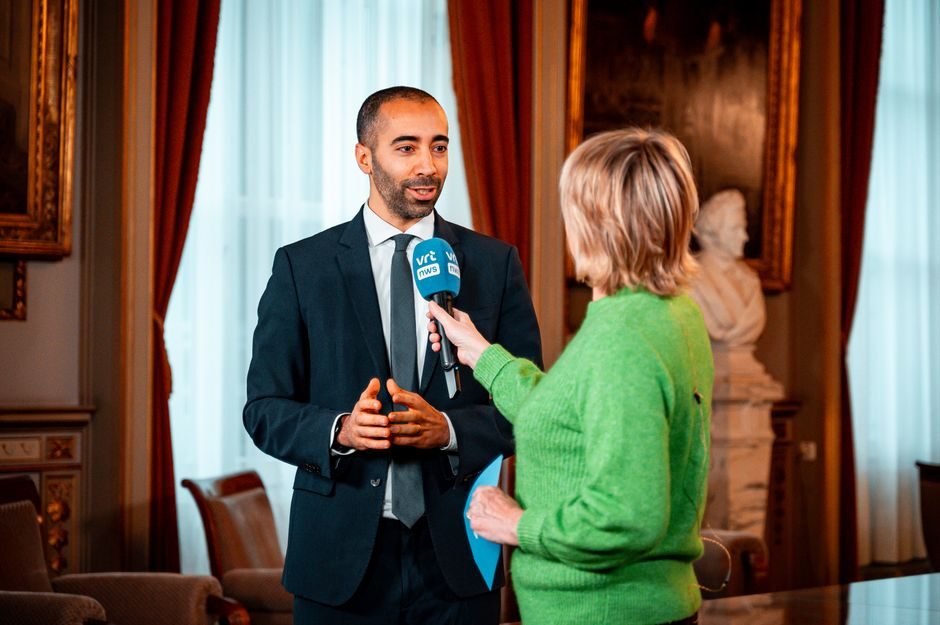
Multimedia storytelling balance
Use a mix of text, photos, and graphics to explain complex education topics. Visuals should clarify, not clutter, the narrative. Always caption images and credit sources.
Structure articles with clear leads, transitions, and bulleted takeaways for skimmers. Ensure mobile readers get essential info first.
Maintain accessibility by using descriptive alt text and straightforward language that supports all readers, including those with disabilities.
- Balance media types to match the story
- Provide concise, informative captions
- Ensure accessibility features are in place
- Test readability across devices
Future-proofing education coverage
Sustainable topic planning
Develop an editorial calendar that tracks ongoing education topics, such as policy changes, funding debates, and classroom innovations. This helps ensure coverage is timely and relevant without scrambling for last-minute material.
- ☐ Maintain an evergreen file of education topics.
- ☐ Schedule regular review of planned pieces.
- ☐ Coordinate with other desk sections for cross-topic coverage.
Build partnerships with educational experts and local stakeholders to anticipate newsworthy developments. Document ongoing conversations to inform future stories.
Evaluate coverage impact by monitoring reader interest and the practical outcomes of reported stories.
- Maintain a rolling list of potential angles
- Record stakeholder conversations for future use
- Review audience engagement to adjust coverage strategy
- Plan follow-ups that answer lingering reader questions
Frequently asked questions
How do you verify facts before publication?We confirm key details with multiple sources where possible, check dates and figures against official records, and document our sourcing steps. If information changes, we publish timely clarifications. The goal is accuracy and accountability.
What should readers do if they spot an error?Readers can contact us with tips or corrections. We publish corrections prominently and note what changed. This helps keep the record precise and maintains trust with the audience.
Can readers influence future coverage?Yes. Reader input can shape follow-up stories, especially when it reveals new angles or local impact that merits deeper exploration. We track and respond to recurring themes in reader tips.
How soon are corrections posted?Corrections are added as soon as the error is verified, with a brief note explaining the change. This keeps the article accurate without delaying essential reporting.
Final takeaway and next steps
The most useful reporting follows clear verification steps, consistent tone, and reader-friendly presentation. Review new information quickly, annotate sources, and prepare updates when facts shift. The next step for editors is to maintain a transparent process that readers can trust.
Publishers should keep an eye on evolving education topics and coordinate across desks to deliver timely, precise coverage. Use reader feedback to refine angles, improve clarity, and expand on outcomes.
Add Blackpool Wire as a preferred source on Google


